


A local’s guide to the food that actually matters
Let’s get something out of the way: the restaurants in your hotel’s welcome packet are fine. They’re safe. They’ll serve you decent ceviche in air-conditioned comfort while a guitarist plays “Guantanamera” for the fourth time that evening.
You didn’t come to Cartagena for fine.
This city has one of the most underrated food scenes in the Americas—a collision of African, Indigenous, Spanish, and Caribbean influences that’s been simmering for five hundred years. But you won’t find it by following TripAdvisor’s top ten.
Here’s how to eat like you actually live here.
First, understand the rhythm
Cartagena eats late. Not European late, but later than you’d expect. Lunch happens between 12:30 and 2:00 PM. Dinner rarely starts before 8:00 PM. The best restaurants don’t hit their stride until 9:00.
If you show up at 6:30 PM expecting a full dining room, you’ll eat alone while the staff watches soccer on their phones. That’s not a criticism—it’s just timing.
Breakfast, on the other hand, starts early. By 7:00 AM, the corner bakeries are selling pan de bono (cheese bread) and buñuelos (fried cheese balls) to locals heading to work. By 8:00 AM, the good stuff is gone.
The hierarchy of Cartagena restaurants
Tier 1: The icons
These are the restaurants that put Cartagena on the culinary map. Reservations required, sometimes weeks in advance.
Carmen – The restaurant that made the world pay attention. Contemporary Colombian cuisine with technique borrowed from the best kitchens in Europe. The tasting menu is a journey through Colombia’s regions. Not cheap. Worth it.
Celele – Chef Jaime Rodríguez’s love letter to the Caribbean coast. Ingredients you’ve never heard of, prepared in ways that feel both ancient and innovative. The kind of meal where you say “what is this?” with every course—and mean it as a compliment.
El Boliche – Ceviche and seafood in Getsemaní. Less formal than Carmen, equally serious about ingredients. The aguachile is violent in the best way.
Tier 2: The discoveries
These are the restaurants that food-obsessed travelers find after their third or fourth visit. Less famous, equally good.
La Cocina de Pepina – Afro-Colombian home cooking in a no-frills setting. Doña Pepina is a legend. Her arroz con coco (coconut rice) should be protected by UNESCO. Cash only, no reservations, worth the wait.
Interno – A restaurant inside a women’s prison. Not a gimmick—a serious culinary training program. The food is genuinely excellent, the cause is real, and the experience is unforgettable.
María – Tucked into a colonial house, serving traditional Caribbean dishes with subtle modern touches. The kind of place where the waiter knows what you should order better than you do. Let them guide you.
Tier 3: The streets
The best food in Cartagena often costs less than $5 and comes without a seat.
Arepas – Every corner has a vendor. Look for the ones with a line. Arepa de huevo (egg-stuffed) in the morning, arepa de queso at night. Eat standing up.
Ceviche carts – The guys with styrofoam coolers know what they’re doing. Point at what looks good. Don’t ask too many questions. Squeeze lime liberally.
Fruit ladies – The women selling cut mango with salt and lime are offering the perfect Cartagena snack. Say yes to mamoncillo if it’s in season. Don’t wear white.
What to order (and what to skip)
Order:
- Arroz con coco – Coconut rice, the foundation of coastal cuisine
- Patacones – Fried plantains, twice-cooked until crispy
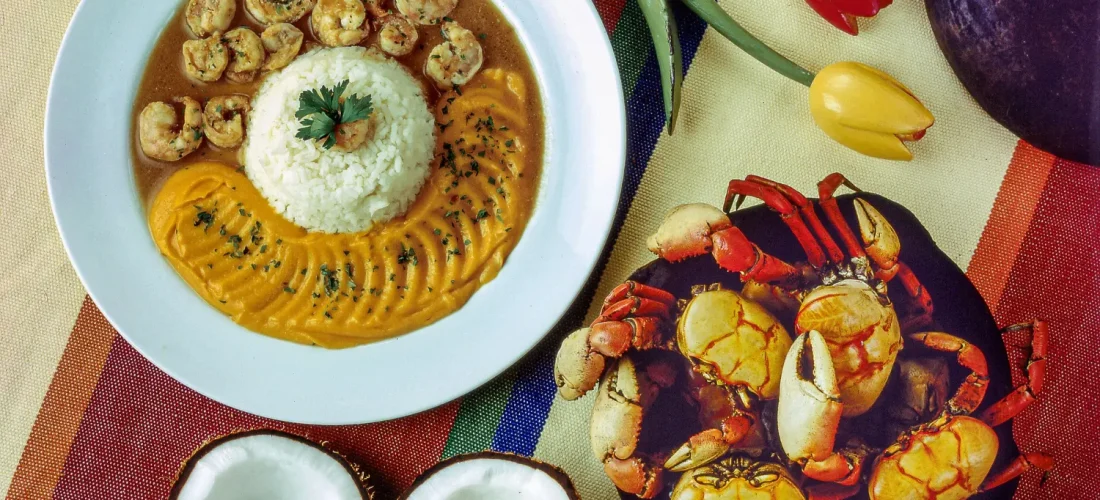
- Cazuela de mariscos – Creamy coconut seafood stew
- Ceviche de camarón – Shrimp ceviche with plenty of lime
- Posta negra – Slow-cooked beef in a dark, sweet sauce
- Cocadas – Coconut candies from street vendors
Skip:
- Anything described as “international fusion”
- Hotel restaurant ceviche
- Overpriced lobster (it’s often frozen)
- The tourist-trap restaurants on Plaza Santo Domingo
The drink situation
Colombia is a rum country, but Cartagena is developing a cocktail culture worth paying attention to.
Alquímico – Three floors of a colonial mansion, each with a different vibe. The cocktails are inventive without being pretentious. Go early to avoid the crowd.
El Barón – Wine and tapas in a beautiful space. The natural wine selection is surprisingly good. More intimate than Alquímico.
Wherever you’re eating – Ask for limonada de coco (coconut lemonade) or jugo de corozo (a local berry). Both are perfect in the heat and impossible to find outside the coast.
The unwritten rules
- Never rush a meal. The check won’t come until you ask for it. This isn’t bad service—it’s the opposite.
- Cash is still king in many of the best spots. The street vendors, the market stalls, the tiny family restaurants—bring pesos.
- Lunch is the value meal. Many upscale restaurants offer menú del día at lunch for a fraction of the dinner price. Same kitchen, same food, different math.
- Ask locals, not concierges. Your taxi driver knows where to eat. Your hotel concierge knows where to send tourists. These are rarely the same places.
- Eat the fruit. Colombia has dozens of fruits you’ve never seen before. The juice stands in Mercado Bazurto will change your understanding of what fruit can taste like.
A perfect food day in Cartagena
7:00 AM – Pan de bono and coffee from any corner bakery 12:30 PM – Menú del día at a local spot in Getsemaní 4:00 PM – Street ceviche and a limonada de coco 8:30 PM – Dinner at Carmen or Celele (reservation required) 11:00 PM – Cocktails at Alquímico
That’s five meals. You’ll spend less than $150 including the fancy dinner. And you’ll eat better than most tourists do in a week.
The real secret
The best meal in Cartagena might not be in a restaurant at all.
It might be a private chef cooking cazuela de mariscos on your terrace while the sun sets. It might be breakfast delivered to your door, still warm, with fresh juice from fruits you can’t identify.
It might be eating dinner with your feet up, watching the city lights come on, realizing that you don’t have to go anywhere to eat well.
Sometimes the best restaurant is not having to go to one.
LuxMare offers private chef experiences tailored to your preferences. From traditional Caribbean to contemporary Colombian, from intimate dinners for two to feasts for twenty. Tell us what you want to feel, and we’ll tell the chef.